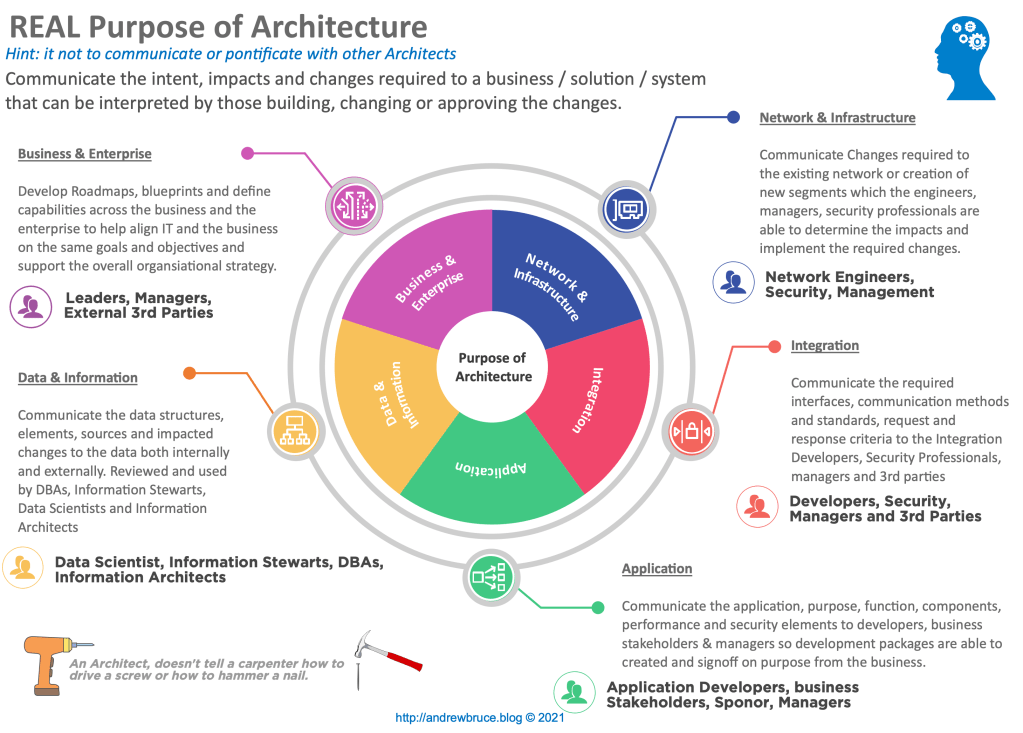
Over the last few years, more and more enterprises are embracing IT Architecture which is a good thing but I want to highlight the issues and concerns with boldly adopting a framework and standards without fully understanding the true purpose and intent of the Architecture in Solution Communication.
Modeling & Frameworks
Over the years we have seen many different forms of modelling appear such as BPMN, UML, ADL, JML, Archimate and classification frameworks such as Zachman and more recently TOGAF. Though these languages and framework has helped standardise and improve the general effectiveness in which Architects & Business Analysts are able to define & communicate solution and enterprise architecture in a standard way, we have started to lose sight of the real purpose of architecture and spending more of our time focused on the framework than on effective solution communication.
Klingon
Heghlu’meH QaQ jajvam – “Today is a good day to die”
Presenting Architecture diagrams in Archimate or similar modelling languages and presenting these to the various stakeholders is like asking the business to sign a contract written in Klingon discussing the “Ferengi Rule of Acquisition” we should not be expecting our stakeholders to learn Klingon, what we do need to do is to learn to communicate in their language.
Sadly there is no universal translator or babel fish in which we can utilise to easily translate architecture to the business or developers, but we can’t lose sight that this is the primary role of Architect, to define, design and communicate the intent and impacts of a solution to the various stakeholders.
Visual Communication
For any given architectural design, solution or blueprint there is always various stakeholders that will need to review, implement, approve and endorse from the inception thought to the implementation phases.
To achieve this goal, Architect’s have to focus their skills in being able to effectively communicate often complex ideas and solutions in a manner that the reader is able to understand either detailed enough for developer or an engineer to develop a work package or a sponsor to sign off that the solution addresses the intended business problem.
Conceptual vs Logical vs Physical
It is all too easy for an Architect who has a strong background in technology to focus on the physical aspect of a solution and end up with a solution design that closely resembles the schematics of the space shuttle at the expense of effective communication.
This detailed physical architecture though helpful for those that are building a solution, it does not help business stakeholders whom are interested in the intent, functionality and purpose of the solution, in this instance a conceptual solution would have been the right level to discuss with the business
Let’s drill in the various levels of abstraction when discussing architecture.
Level
Description
Conceptual
Architecture that lacks a lot of detail in order to plan or communicate the basic intent and structure of the solution. (shows the relationship and impacts between each of the elements, think the “What“)
Logical
Architecture that is not constrained to a particular technology stack or environment but lists all of the various functional components. (Capture inputs and outputs of each of the main components, think the “How”)
Physical
Detailed architecture that provides detailed view of each component, and platform (details on network zones, server specifications, hardware and components, think the “Where”)
Architecture Levels
Architecture Views and Tiers
Depending on your role will detriment the view and scope across the various tiers of architecture you present. Enterprise & Portfolio Architectures are constantly changing and evolving views which try to keep track with business strategy, whilst Solution architecture is most often a snapshot in time which addresses the immediate project solution problem. The key concept is the audience, Enterprise and Portfolio architects work most closely with the business and strategy functions of the organisation and communicate using illustrations that show the relationships and impacts of systems to the enterprise. Whilst Solution Architects develop architecture artefacts that are most often used by developers, network engineers and IT security, for the creation of detailed work packages, detailed solution reviews.
Building the thing right or Building the Right Thing
An expression I use all to often is “Are you build the thing right or are you building the right thing” Whilst both are very important, knowing your audience and the purpose should be driving how you present an idea or concept. As I mentioned earlier, we should not be using Klingon to present architecture, it should be information that is presented in the clearest and easily digestible manner in which others understand the intent, design or functionality of the solution.
The most important thing to nail early is the Intent (Building the right thing) of the solution, it is pointless building the worlds best escalator if the business really wanted an elevator. A Business Analyst’s role is capture the requirements, the architect’s role is to interpret the requirements and design a solution to meets the implied and stated requirements. It is important that Architects develop a solid Logical view of the architecture to present to the business and project sponsors, so that what is delivered is going to meet their true intention during the inception phase of the project.
Having come from a very technical background, I have spent the last 10 years trying to hone my visual communication skills so that I can effectively and succinctly communicate the various aspects of the solution and strategy to stakeholders at all levels.
Architecture diagraming should focus on the following points
Simple layouts
Clean and Tidy
Consistent colouring and theme throughout.
Keep it Concise & ask yourself does it provide the information for your intended audience.
Don’t provide Physical Diagrams to business stakeholders, keep the view focused on what they require to understand.
Level of abstraction matters, focus on the “What”, “How” & “Where” for the audience, a Architecture does not tell a carpenter how to hammer a nail. The same goes for Developers, Solution Architects don’t tell the developer which framework or software language to use, only what features and functions to develop.
Tradeoff Accuracy of physical details (or unimportant detail) to get the message across.
To Wrap up, the main point I want to make is, Solution Architecture is taking a set of requirements and developing a solution that fulfils these requirements. The solution needs to be communicated to both the client / customer and to the developers. Therefore the customer understands what they are paying for and the developer knows exactly what they are building. Communication is king and we should spend more time focusing on learning effective communication methods and techniques for communicating with our key stakeholders rather than trying to shoehorn solutions into a modelling language that is only understood by fellow architects.
I will leave you with these final quotes that every architect should strive towards
“Any Fool can make something complicated, it takes a genius to make it simple”
Woody Guthrie
Simple is clever. Complicated just means you haven’t been clever enough to reduce “it” to its essence.
Why am I writing this I hear you ask, well it’s twofold, firstly help keep myself accountable and solidify my thoughts and secondly in the off chance that someone else is reading this, that it will help provide some guidance on what helps me.
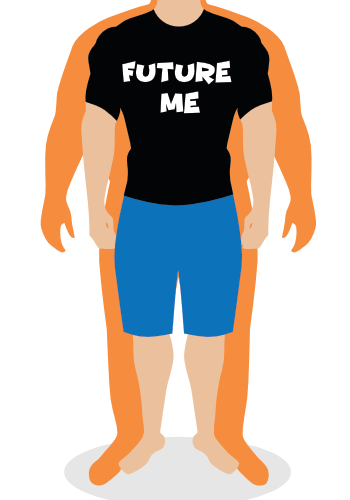
Please keep in mind that this is a work in progress and as I set myself mini goals each day to work towards my ultimate Future Self.
The Big thing for me was finding the motivation in which to start losing weight, I knew I had a problem, but just could not kick myself into Action!!!
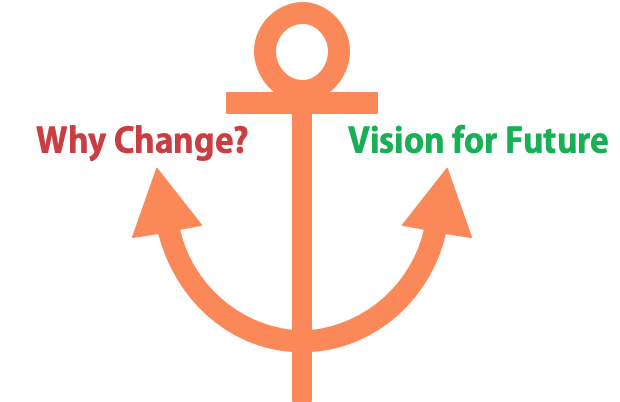
Like most issues or problems in life, it is often said that the start is accepting you have an issue, and though this may work for some things, for addictions and lifestyle issues that are affecting our health it is othen not enough, me like everyone else understands that we need to change and that our current lifestyle is not sustainable and we need to take action. Intervention / shock tactics or even a friend mentioning that you need to lose weight or you need to start to exercise is not telling you something that you didn’t already know. I believe you need to anchor your thoughts on two distinct points.
Why you need to change (albeit being able to put your shoes on without getting out of breath) &
Create a strong Vision in your head of you looking the way you want to look and/or doing something that you want to achieve.
To illustrate this, let me start with my own situation
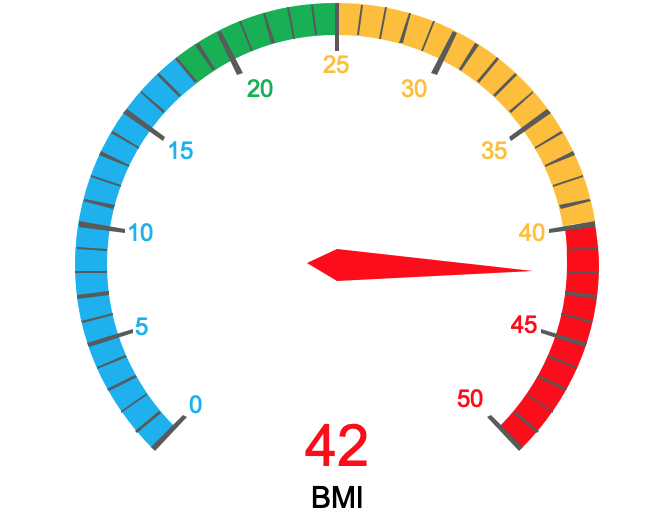
My Current Weight is 135kg ( 298 lbs) with an BMI of 42.6
Sadly that puts me in the morbid obesity category I will include an actual photo at the end of this page
Now that I have gotten the uncomfortable truth out of the way, I will start sharing my two Anchor points.
The WHY?
The Why is for a number of reasons but sharing mine hopefully will provide you with a bunch of ideas for your own.
First and foremost My Family, I love my wife and 3 children and would do anything to protect & shield them from pain and suffering should something happen to me.
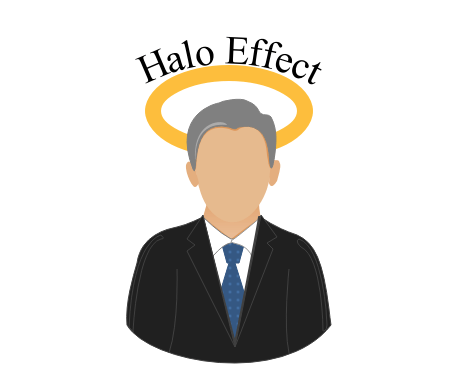
Employment Opportunities & The Halo Effect “The “halo effect” is when one trait of a person or thing is used to make an overall judgment of that person or thing. In other words people make biased decisions based upon someone’s weight or looks, they are overweight so must be a “slob and lazy” And while you yourself know this to be untrue for someone who has no other reference point in which to base a decision, will tend to default back to your overall appearance in making a timely decision. Being able to provide for my family is very important. Therefore either through seeking new employment or trying to land a promotion, creating a better impression of yourself is necessary. (we may not wish to accept these biases that others create against us, but they exist regardless of how unfair they seem, we can only control ourselves. For me this means losing weight to remain employable.)
Having clothes fit that are not constantly riding up or down exposing more of myself that I had planned.
Being Able to Tie my shoelaces without getting puffed out, for someone with a large stomach, bending over applies a lot of pressure to your internal organs and physically limits your ability to reach your feet and toes.
A true passion of mine is Photography (please see my other Blog / page) and while I am still able to hold and operate the camera, one thing I am limited in doing is being able to hike & walk to the spots thats I wish to photograph. As an example the photo below is of Liffey Falls in Tasmania, and while the hike is a relatively easy one, I struggled on the return trip up from the bottom of the valley back to our car. I had to continstiantly keep stopping along the way to catch my breath, so what should have been a really pleasant activity due to my lack of fitness was quite taxing.
Vision for the Future
The Second side of my anchor is my vision or how I wish to see myself, I believe this is equally important as “The Why” as now that we clearly understand why “YOU!!” Need to change.
It’s Time to provide a positive vision of yourself, one that you can completely envision and one that you can easily recall when you are needing to make a micro choice (take the stairs or the escalator, the Salad or the Chips and Gravy)
The Vision of the Future / Future me, can be a old picture of yourself, a goal to climb a local mountain, compete in a marathon or even just as simple as pair of jeans you had not been able to wear. The key is though to have something that important enough to make the sacrifice worthwhile and at the sametime something you can quickly & clearly picture when you need the extra motivation boost.
My Vision for the Future is me being thin and fit enough to do a couple of the local hikes such as the Three Capes walk, The Overland Track or even climb Mt Roland which overlooks my home.
Mt Roland Early Morning Snow
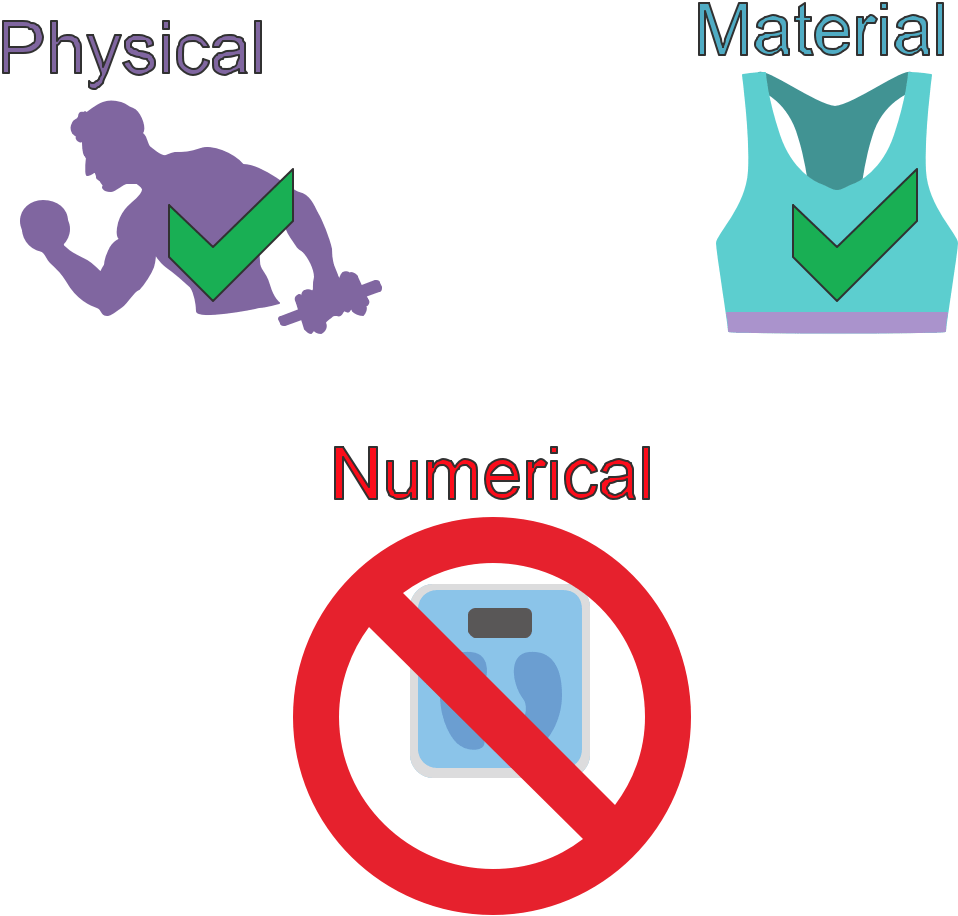
I will mention my target weight, but is it important to focus on the vision of what I can do, rather than a specific number, the reasoning behind this approach is discussed below Progress Goals section below.
My Target Weight given my age and height is around 85kgs, but the primary driving force is about what I can wear and what I can do rather than a number shown on my scales. I would highly recommend that you also adopt the same approach.
Goals
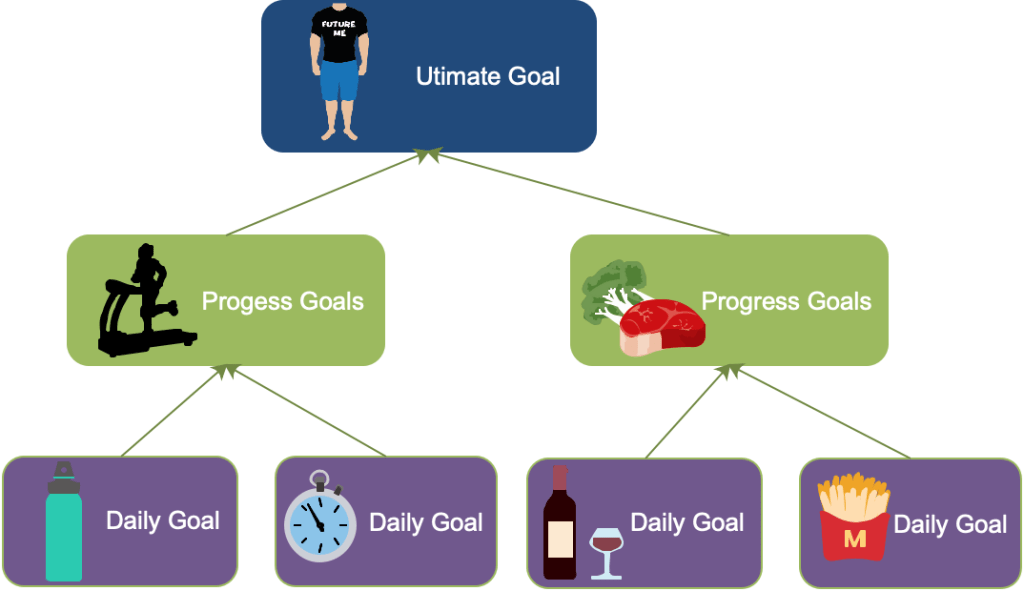
Goals are a tricky one, not because they are difficult to achieve but when goals are very large, it is often the case of a step too far, and it’s easy to lose sight when you are focused at the end result, like riding a bicycle, you need to keep your focus on what is just ahead of you. What I am going to try is to break my goals down into 3 layers, the first being my ultimate goal, second is the progress goals and finally the daily goals.
There is an old Scottish saying that look after your pennies and your pounds will look after themselves. Goal setting is somewhat similar in that it is easier to focus on the daily goals such as drink a litre of water, do 25 mins of walking, no alcohol and avoiding Junk food, etc… as shown in my example above.
Daily Goals
For Today, I will drink a litre of water, for today I will go for a walk, for today I will avoid that glass of wine after dinner and today I will not have any junk food. All these daily choices all help contribute to your progress goals such as Jog a Km without stopping, eat healthy for a month. None of these things can be achieved right off the bat, or at least for me they can’t. So the plan is to only add one or two additional daily goals each week, and ensure that each of them are visible and front of mind. I use a reminder application called Todoist but you can even just jot it down on a postit note if that is what makes the most sense to you.
Some of my daily goals to start with for Week 1 are:
Drink a litre of water each day
Make two out three of my meals healthy options*
Avoid Refined Sugars and
Reduce my Carbohydrates
15 Minute Walk each and every day.
*I have chosen to split my main 3 meals each into two portions for example my breakfast split in two to become my Breakfast and Morning Tea, my Lunch becomes Lunch and Afternoon Tea. The reasoning behind this decision relates to reducing portion control for my meals.
Now these goals alone will not get me to my ultimate goal immediately but they will help contribute towards my Progress Goal. Each week once you are nailing your daily goals, add an additional goal each week while still maintaining the previous daily goals you had set. For Week 1 I added 5 goals, but I would not recommend making any more than 5 new daily goals on week 1 and no more than 2 additional goals each week thereafter, as you need time to adopt these new habits into your routine. We are making lifestyle changes not following a diet, and permanent changes require time to gel and become who we are.
Progress Goals
Progress goals are at a level that still seem achievable but do require effort and for you to push yourself to achieve them. Some people it might be as simple as being able to walk to along a track to view a particular waterfall or be able to jog for 1km without stopping. I recommend avoiding using your weight in particular as your goal as being able to lose 15kg towards your ultimate goal is great, but the issue with focusing on a number is that become obsessed with the numbers. E.g.. I only lost 500gms this past week, what did I do wrong, it was all for nothing, I may as well have had that piece of chocolate or gone for a couple of beers with the lads. The better measure is to focus being able to do something (physical) or fitting into that old pair of jeans (material.)
As we make better lifestyle changes, we should slowly start to see you achieving your progress role and eventually your ultimate goal.
I don’t recommend making too many Progress Goals up at the start of the process, but rather just focus on the next step, so for example if you set your physical progress goal is to Jog 1km without stopping in the next month. To achieve this goal, you would need to break down the task into a number of weekly steps. As an example for Week one might be walking 3km once a day, Week 2 might be walk for 5 mins, jog for 20 seconds and repeat the process over a 2km. Week 3 might be Walk for 3 mins and jog for 40 secs and Week 4 might be Walk for 2 mins and jog for 60 seconds and each time 60 second jog see if you can extend out the jog phase by an extra 10 seconds over a distance of 1.5km
Physical Progress Goals
Physical Progress Goals are arguably the best type of Progress Goals By focusing on Physical goals, you are both being able to move more and burn extra calories and as a pleasant surprise with exercise is your body also releases endorphins which are are a type of neurotransmitter, or chemical messenger that helps relieve pain and stress in our bodies so not only are you achieving something towards your ultimate goal, you are actually being rewarded as you go.
Examples that resonate with me are physical goals such as:
Able to walk for an hour without a break
Being able to Jog for 1km without stopping
Do 5km on a exercise bike / 30 mins of activity
For my first Physical Progress Goal, I am aiming for being able to Jog for 1 km without stopping. If that is seems too easy maybe look at the “Couch to 5km” program which there is a lot of information around on the program including music playlists, various applications, I have included some information and links to the program in this section.
Couch to 5km
The programme is designed for beginners to gradually build up their running ability so they can eventually run 5km without stopping.
For your 3 runs in week 1, you will begin with a brisk 5-minute walk. After this, you will alternate 1 minute of running and 1-and-a-half minutes of walking, for a total of 20 minutes.
Week 2
For your 3 runs in week 2, you will begin with a brisk 5-minute walk. After this, you will alternate 1-and-a-half minutes of running with 2 minutes of walking, for a total of 20 minutes.
Week 3
For your 3 runs in week 3, you will begin with a brisk 5-minute walk, then 2 repetitions of 1-and-a-half minutes of running, 1-and-a-half minutes of walking, 3 minutes of running and 3 minutes of walking.
Week 4
For your 3 runs in week 4, you will begin with a brisk 5-minute walk, then 3 minutes of running, 1-and-a-half minutes of walking, 5 minutes of running, 2-and-a-half minutes of walking, 3 minutes of running, 1-and-a-half minutes of walking and 5 minutes of running.
Week 5
There are 3 different runs this week:
Run 1: a brisk 5-minute walk, then 5 minutes of running, 3 minutes of walking, 5 minutes of running, 3 minutes of walking and 5 minutes of running.
Run 2: a brisk 5-minute walk, then 8 minutes of running, 5 minutes of walking and 8 minutes of running.
Run 3: a brisk 5-minute walk, then 20 minutes of running, with no walking.
Week 6
There are 3 different runs this week:
Run 1: a brisk 5-minute walk, then 5 minutes of running, 3 minutes of walking, 8 minutes of running, 3 minutes of walking and 5 minutes of running.
Run 2: a brisk 5-minute walk, then 10 minutes of running, 3 minutes of walking and 10 minutes of running.
Run 3: a brisk 5-minute walk, then 25 minutes of running with no walking.
Week 7
For your 3 runs in week 7, you will begin with a brisk 5-minute walk, then 25 minutes of running.
Week 8
For your 3 runs in week 8, you will begin with a brisk 5-minute walk, then 28 minutes of running.
Week 9
For your 3 runs in week 9, you will begin with a brisk 5-minute walk, then 30 minutes of running.
Tips on progression
The pace of the 9-week running plan has been tried and tested by thousands of new runners each year.
You can, however, repeat any one of the weeks until you feel physically ready to move on to the next week.
Structure is important for motivation, so try to allocate specific days of the week for your runs and stick to them.
Rest days
As I have been discussing daily goals, but the Couch to 5km program recommends rest days, I would suggest that you keep with your dietary goals for each day but skip any exercise / activity goals and just follow the Couch to 5km program as Rest days are critical to avoiding injury as your joints and muscles need time to recover and repair.
Personal Trainers
If you think you may need a bit of a helping hand to reach some of your Physical Progress Goals, then a Personal Trainer might be the answer.
I am actually an avid believer in Personal Trainers (PT) for a number of reasons some of which are listed below:
They tend to be quite knowledgeable in the health and fitness arena and are able to provide advice on various types of diets.
Are trained in Exercise techniques, which can help you avoid injury especially when starting out.
Are able to help keep you motivated and on track with your fitness goals.
Can provide a little kick / stir to push you to your limits, now I know this does not sound great, but it will help you reach your goals quicker if someone is screaming at you to do one more Rep or keep going for another 20 seconds.
It is not to say that this method suits everyone, due to a number of possible factors such as not able to afford a Personal Trainers or not having one available in your area, which is the case for me. But if you have one available locally and can afford it, then I think that is one investment you are unlikely regret even if you only look to book 5 sessions to start with and see if it works for you.
Material Progress Goals
I think it is safe to say that anyone that has put on weight, would have found themselves finding their clothes getting tighter or worse no longer fitting into your favorite shirt / suit / jeans.
As a Material Progress Goal, I would recommend starting off with a shirt or pair of jeans that are just on the tight side rather than trying to fit into a pair of jeans or wedding dress that aligns with your Ultimate goal. For me, I have a couple of casual shirts and a pair of jeans that recently bought, but are just a little too tight to wear comfortably. At the end of my first month of sticking to my daily goals and work towards my Physical Progress goals, I hoping that I should not be so tight under the collar so to speak, or be less concerned with popping a button and taking out someone’s eye.
Diet
Diet is a controversial topic as there is more opinions on this topic than there is stars in the sky. I will start some of the more basic systems that I am aware of, but this is not meant to be a comprehensive list, nor am I a dietitian or expert in this field, so please keep in mind these are my opinions. As far as I can tell the science is still out on which is best, but I feel it’s safe to stay that some diets will work for some and not for others.
Calorie Restrictive Diet
These diets are the most common and those recommended by health professionals. They are very simple in the nature that its “fuel in, verse fuel burnt” The concept is you consume less calories that you are burning, with the idea that your body will be forced to consume some of your fat reserves in which to make up the energy deficient. The downside of these diets in my opinion is twofold
Boring and feels like you are starving yourself
Not sustainable over the long haul, which tends to lead to a bounce back situation when we come off the diet.
Pre-Packaged Meals
Pre-packaged meals are absolutely fantastic in principle, someone else has gone to the trouble and effort to package sometimes tasty calorie restrictive meals. By sticking to only food they provide you, you are reduce your calorie intake in a control manner.
The downside of pre-packed meals are:
Expensive and not available in all areas (I live in the countryside so I was able to rule this out right away)
Limited in choice of meals (though some do have a very impressive range of meal options)
The program only works as long as you are sticking to the food they provide, so you are not learning or teaching yourself, what you should be eating. Which is likely to result in the bounce back effect once you cease purchasing their meals.
Can often leave you hungry as the majority of the programs rely upon calerorie restriction as a method of weight loss. (some do offer different programs such as Keto discussed below)
Keto
Keto or Ketogenic Diet is a very low carb, high fat diet that shares many similarities with the Atkins and low carb diets. It involves drastically reducing carbohydrate intake and replacing it with fat. This reduction in carbs puts your body into a metabolic state called ketosis. When your body is in ketosis, you are training your body to use Fat as it’s primary source of fuel rather than refined sugars / carbohydrates found in breads and cereals. I personally describe Keto as a “Lifestyle” as opposed to a diet per say, due to the fact that most of the meals are very tasty and it is very easy easy to stick with, hence avoiding the bounce-back effect that comes from non-lifestyle diets.
Fasting
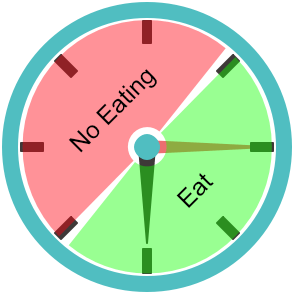
Fasting Diets are showing great results in recent times (even though it was around the longest) The concept is that you reduce your calorie intake by increasing time between your meals. There is multiple variations in this diet such as OMAD (One Meal A Day), Time restrictive or Intermediate Fasting, which is about ensuring that you only eat between a certain times of the day. This is also described as a lifestyle rather than a diet, as the focus is more on the timing of meals than the meals themselves. A brief search on social media and on the internet will return may success stories, where limiting ourselves to a single meal is showing greater results than those who follow a restrictive diet.
An interesting article from the National Institute of Aging (found here) showed that Mice that had a single meal (regardless of the total calorie intake) lived longer and had less health issues than mice that had more frequent meals.
QUOTE: “Increasing daily fasting times, without a reduction of calories and regardless of the type of diet consumed, resulted in overall improvements in health and survival in male mice,” said de Cabo. “Perhaps this extended daily fasting period enables repair and maintenance mechanisms that would be absent in a continuous exposure to food.”
More information on the health benefits of Fasting and aging can be found here
Diet Wrap up
Which diet is right for you, really comes down to personal choice and it could be a mixture of Keto and Fasting or Fasting and Calorie Restriction. I was starting to focus on Keto and looking to spread my 3 meals out into 6 by halving each of my 3 meals. For example Breakfast of Bacon and Eggs was split out where I had half for breakfast and the remainder for Morning Team, and the same with my lunch where half for Lunch and the remainder for Afternoon Tea. The reason why was looking to adapt this approach was directly related to portion control. The idea is that by having more frequent small meals, I would start training my mind and stomach to feel satisfied on smaller meals. A few people have mentioned over the years that having more frequent meals will increase your metabolism, if that is true or not, I honestly don’t know, but I wanted to try teach myself to stop eating when I am satisfied rather than waiting until I am full.
But after some consideration and thought, I believe the better choice is to look to introduce a fasting / restrictive diet. For a couple of reasons, why it fits with myself style since I am married and it is unreasonable for my partner who is already at her ideal weight to be on this type of diet. We can continue to share evening meals together.
I will continue to update this Blog with more information overtime, but I sincerely hope that this at the very least provides a good starting point for someone else to begin their weight loss journey.














 Andrew Bruce